
Why do flight prices change daily. Flight prices change daily because airlines use sophisticated dynamic pricing algorithms that adjust fares in real time based on seat availability, demand fluctuations, competitor pricing, booking timing, seasonality, and route profitability. A ticket that costs $250 on Monday may jump to $480 by Thursday not because fuel costs changed, but because an algorithm detected rising demand and limited seats.
The good news once you understand the 7 core reasons behind daily airfare changes, you can time your purchases strategically and save hundreds of dollars on every trip. This guide breaks down each factor clearly and gives you actionable tips to beat the system.
The 7 Main Reasons Flight Prices Change Daily
1.Dynamic Pricing Algorithms

Airlines don’t set prices manually they deploy advanced systems powered by AI. These same systems also influence when you should book, which is why understanding best time to book international flights
can significantly reduce your travel costs. These algorithms analyze thousands of data points every few minutes: historical demand patterns, current search volumes, booking pace, competitor fares, and even weather forecasts.
The algorithm’s goal is simple: maximize revenue per seat. It raises prices when demand signals are high and drops them to fill empty seats before departure. This is why the exact same seat on the exact same flight can have a completely different price depending on when you search.
- Prices can update as frequently as every 15–30 minutes
- Algorithms track competitor prices and auto-match or undercut
- Airlines use “booking curves” to predict how fast seats will fill
- Price changes accelerate in the final 2 weeks before departure
2.Seat Availability and Fare Buckets
Airlines divide each flight into fare class “buckets” typically labelled with letters like Y, B, M, K, Q, and V. Each bucket has a limited number of seats at that price point. The cheapest bucket (say, 4 seats at $199) sells out first, and the next bucket automatically becomes available at a higher price.
This is why prices seem to jump in steps rather than gradually. You didn’t miss a sale you simply moved from one bucket to the next. Understanding this explains why booking early usually (but not always) gets you the cheapest fare.
- Economy class alone can have 8–12 different fare buckets
- Buying just 1 ticket instead of 2 may show a different price
- Holding a search result does NOT hold the price it expires
- Unsold seats in higher buckets may drop back down near departure
3.Supply and Demand Fluctuations
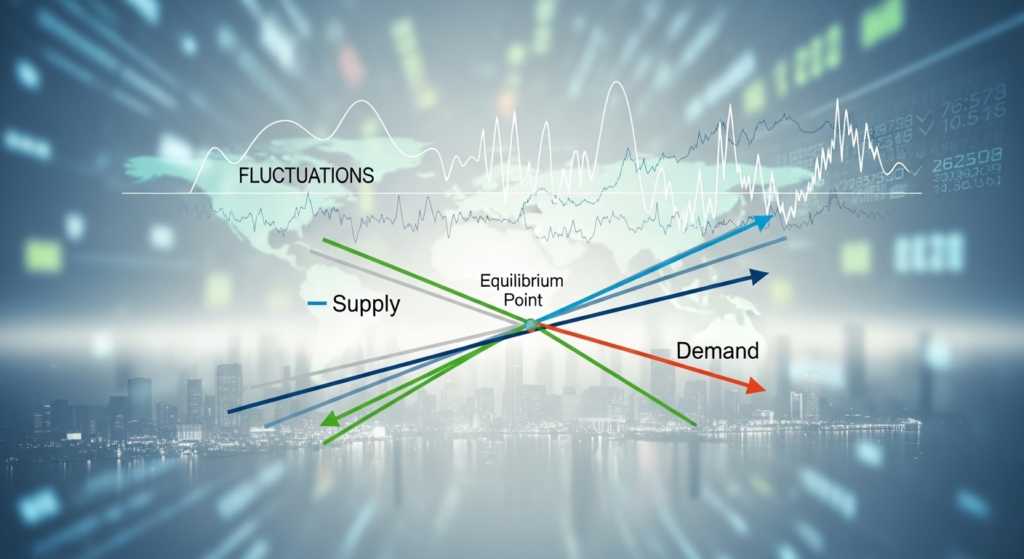
Basic economics plays a massive role in daily price changes. This is also why many travellers look for
cheap last minute flights when demand suddenly drops and airlines try to fill empty seats. Airlines track real-time search volumes through their own platforms and via aggregators like Google Flights and Expedia.
If a popular artist announces a tour date in Miami and 50,000 fans start searching for Miami flights within an hour, the algorithm detects that spike and starts raising fares within minutes. Similarly, if a competing airline drops a fare, others often follow within hours to stay competitive.
- Holiday seasons (Christmas, Thanksgiving, Eid) see 40–200% price spikes
- Event-driven demand (sports finals, festivals) can double prices overnight
- Off-peak travel days like Tuesday and Wednesday are consistently cheaper
- Search activity alone even without bookings can trigger price increases
4.Time Based Pricing and Booking Window
There’s a well-documented relationship between how far in advance you book and the fare you pay. For example, studies show that why Tuesday flights are cheaper is linked to airline pricing updates and lower demand patterns. Prices are typically lowest in a “sweet spot” window roughly 1 to 4 months before departure for domestic flights. Outside that window either too early or too late prices rise significantly.
This counterintuitive pattern exists because: airlines initially release a batch of cheap seats to stimulate bookings; as the flight fills up, prices climb; but if the flight is underselling close to departure, prices may drop again for last-minute deals. Catching these drops requires flexibility and tools.
- Domestic flights: book 1–3 months ahead for best prices
- International flights: book 2–6 months ahead for best prices
- Booking on Tuesday or Wednesday typically shows 10–15% lower fares
- Last-minute prices are usually higher unless the flight is nearly empty
5.Competitor Pricing and Price Wars

Airlines constantly monitor competitor pricing. This is also how travellers sometimes discover how to find error fares when airlines temporarily drop prices due to system glitches or price wars. This can work in your favour, triggering temporary price wars where multiple airlines lower fares simultaneously. But it also means prices can rise just as quickly if competitors raise theirs first.
Low-cost carriers (LCCs) like Spirit, Frontier, and Ryanair have fundamentally changed pricing dynamics by introducing ultra-low base fares that force legacy carriers to compete. When an LCC enters a new route, average fares on that route typically drop 20–40%.
6.Fuel Prices and Operational Costs
Jet fuel accounts for 20–30% of an airline’s operating costs. When oil prices spike, airlines either absorb the cost (reducing profit margins) or pass it on through fare increases and fuel surcharges. This is a slower-moving factor compared to the real-time algorithmic changes above, but it does cause systematic price shifts over days and weeks.
During periods of global oil price volatility such as geopolitical conflicts affecting oil supply you may notice fares creeping upward across the board on all airlines simultaneously. Currency fluctuations also play a role for international fares, particularly on routes priced in USD vs. local currencies.
- Fuel surcharges (often labeled “YQ” in booking systems) can add $50–$300 to international fares
- Some airlines hedge fuel costs to stabilize prices others don’t
- Domestic fares are less affected by fuel spikes than long-haul international routes
7.Seasonality and Route Profitability
Airlines price routes based on historical profitability. A New York–London flight is one of the most lucrative routes in aviation it commands premium prices year-round. A smaller regional route may be priced more aggressively to attract passengers who might otherwise drive.
Seasonality overlays this further: peak season for beach destinations differs from ski resorts, which differs from city breaks. Airlines build detailed demand forecasts by month, week, and even day of the week for every single route they operate and prices reflect those forecasts daily.
- Peak season fares can be 2–3x higher than off-season on the same route
- Shoulder season (just before/after peak) offers the best value on many routes
- Transatlantic summer peak runs June–August; cheapest months are January–March
- Avoid flying the day before or after major holidays prices surge sharply
Best vs Worst Days to Book and Fly
Timing is everything in airfare. This table shows the average price variance by day of week, based on analysis of millions of booking data points across major US and European routes:
| Day | Best to Book? | Best to Fly? | Price vs. Average | Verdict |
|---|---|---|---|---|
| Monday | Good | Moderate | −5% | Decent |
| Tuesday | Best | Cheapest | −12% | Best Value |
| Wednesday | Excellent | Cheapest | −10% | Best Value |
| Thursday | Average | Good | 0% | Average |
| Friday | Avoid | Expensive | +18% | Most Expensive |
| Saturday | Good | Average | −8% | Decent |
| Sunday | Avoid | Expensive | +15% | Expensive |
How to Save Money on Flights: 8 Proven Strategies
Now that you know exactly why flight prices change daily, here’s how to use that knowledge to save significant money every time you fly:
1.Set Price Alerts
Use Google Flights, Hopper, or Skyscanner to track your route and get notified the moment prices drop.
2.Use Incognito Mode
Some airlines and booking sites raise prices when they detect repeat searches via cookies. Always search in private/incognito mode.
3.Be Flexible with Dates
Even shifting your travel by 1–2 days can save $50–$200. Use the calendar view on Google Flights to see the cheapest day to fly.
4.Consider Nearby Airports
Flying into a secondary airport (e.g., Oakland instead of SFO) can save 20–40% on the same route.
5.Book Connecting Flights
Non-stop flights command a premium. Connecting flights are often 30–50% cheaper if you don’t mind the extra time.
6.Use Miles and Points
Credit card sign-up bonuses and airline loyalty programs can fund free or nearly free flights. Especially valuable on premium routes.
7.Subscribe to Fare Deal Newsletters
Sites like Scott’s Cheap Flights (Going), Secret Flying, and Airfarewatchdog email incredible mistake fares and flash sales.
8.Travel in Shoulder Season
Visit Europe in April–May or September–October. You’ll get better weather than winter, cheaper flights than summer, and smaller crowds.
Optimal Booking Windows by Route Type
Different types of routes have different ideal booking windows. Use this reference table to plan your next purchase:
| Route Type | Ideal Booking Window | Peak Season | Off-Peak Season | Expected Savings |
|---|---|---|---|---|
| Domestic (US/EU) | 4–8 weeks ahead | June–Aug, Dec | Jan–Mar, Nov | 15–30% |
| Transatlantic | 2–5 months ahead | June–Aug | Jan–Mar, Oct–Nov | 25–45% |
| Asia Pacific | 3–6 months ahead | Dec–Jan, Jul–Aug | Apr–Jun, Sep–Oct | 20–40% |
| Caribbean / Beach | 2–4 months ahead | Dec–Apr | May–Nov | 10–25% |
| Last-Minute (<7 days) | N/A high risk | Any | Any | Usually +30–80% |
Conclusion
Flight prices change daily due to a mix of demand, timing, competition, and airline pricing algorithms that adjust fares in real time. What may seem random is actually a highly calculated system designed to maximise revenue while filling seats. By understanding these patterns such as booking windows, peak travel times, and price trends you can make smarter decisions instead of guessing when to buy.
The key to saving money is not trying to beat the system, but learning how to work with it. Stay flexible with your travel dates, compare prices across platforms, and book when demand is lower. Even small changes in timing can lead to significant savings. With the right approach, you can consistently find better deals and avoid overpaying for your flights.
FAQs
1.Do flight prices go up if I search multiple times?
This is a widely debated topic. Some travel experts and booking sites have confirmed that cookies can influence displayed prices though airlines deny intentional price manipulation based on individual search history. To be safe, always search in incognito/private browsing mode. It doesn’t hurt and may genuinely show you lower fares.
2.What time of day are flights cheapest to book?
Many travel analysts suggest searching early Tuesday or Wednesday mornings, as airlines often release promotional fares late Monday night that are visible by Tuesday morning. However, with real-time algorithms, the difference has narrowed. Price alerts remain the most reliable method to catch genuine dips regardless of time of day.
3.Do flight prices drop closer to departure?
Occasionally but it’s risky to count on it. Airlines prefer to sell seats in advance. Last-minute drops only happen when a flight is significantly underselling. For most routes and seasons, prices increase in the final 14 days. Budget travellers should not gamble on last-minute prices unless they have complete schedule flexibility.
4.Are flight prices the same on all booking websites?
Not always. Booking directly through an airline’s website sometimes offers lower prices (airlines avoid paying commission to third-party sites). Budget carriers like Ryanair and Spirit may not appear on aggregator sites at all. Always compare the airline’s own site against 1–2 aggregators like Google Flights or Skyscanner before booking.