

A tourist visa and a transit visa serve completely different purposes, and confusing the two can lead to denied boarding, deportation, or serious legal trouble. In simple terms, a tourist visa allows you to enter a foreign country and stay there for leisure, sightseeing, or visiting family. A transit visa, on the other hand, only permits you to pass through a country on your way to a final destination. Understanding the tourist vs transit visa difference before you book any international trip is not optional, it is essential.
Both visa types have specific conditions, validity periods, and restrictions. A tourist visa typically allows stays ranging from 15 days to 6 months. A transit visa may only grant you 24 to 96 hours inside the country. Knowing which one applies to your travel plan can save you from costly mistakes, missed flights, and unnecessary stress at immigration counters.
What Is a Tourist Visa
A tourist visa is an official travel document issued by a foreign country that grants you permission to enter and stay for a limited period for non-work purposes.
You can use a tourist visa to:
- Explore tourist attractions and landmarks
- Visit friends or family members
- Attend cultural events or festivals
- Go on vacation or holidays
- Participate in short-term language courses
Tourist visas do not allow you to work, earn income, or study for extended programs in the host country. Most countries issue single-entry or multiple-entry tourist visas depending on your nationality and travel history.
What Is a Transit Visa
A transit visa is a special short-stay permission that allows travelers to pass through an intermediate country while traveling to their final destination.
Imagine you are flying from Lahore to New York with a layover in London. If you need to leave the airport for any reason during your stopover, or if your layover exceeds a certain number of hours, you may need a UK transit visa.
There are two types of transit visas most countries recognize:
- Airside Transit Visa (ATV): Allows you to wait in the international transit zone of an airport without formally entering the country.
- Transit Visa with Entry Permission: Allows you to briefly enter the country during a layover, typically for 24 to 96 hours.
Tourist Visa vs Transit Visa
| Feature | Tourist Visa | Transit Visa |
|---|---|---|
| Purpose | Leisure, sightseeing, family visits | Passing through to another country |
| Stay Duration | 15 days to 6 months | 24 to 96 hours typically |
| Entry Type | Full country entry | Limited or airport zone only |
| Work Allowed | No | No |
| Cost | Usually higher | Usually lower or free |
| Renewal Possible | Yes, in many countries | Rarely allowed |
| Application Required | Yes | Sometimes, depends on nationality |
How a Tourist Visa Works

When you apply for a tourist visa, you submit documents such as your passport, flight itinerary, hotel bookings, bank statements, and photographs to the embassy or consulate of the destination country.
After approval, the visa is stamped or attached to your passport. Upon arrival, immigration officers verify your visa, confirm your purpose of visit, and stamp your entry date.
You are expected to leave the country before your visa expires. Overstaying a tourist visa can result in fines, deportation, or a future ban from entering that country.
Common Countries That Require Tourist Visas for Pakistani Travelers
- United Kingdom
- United States of America
- Canada
- Australia
- Schengen Area countries
How a Transit Visa Works
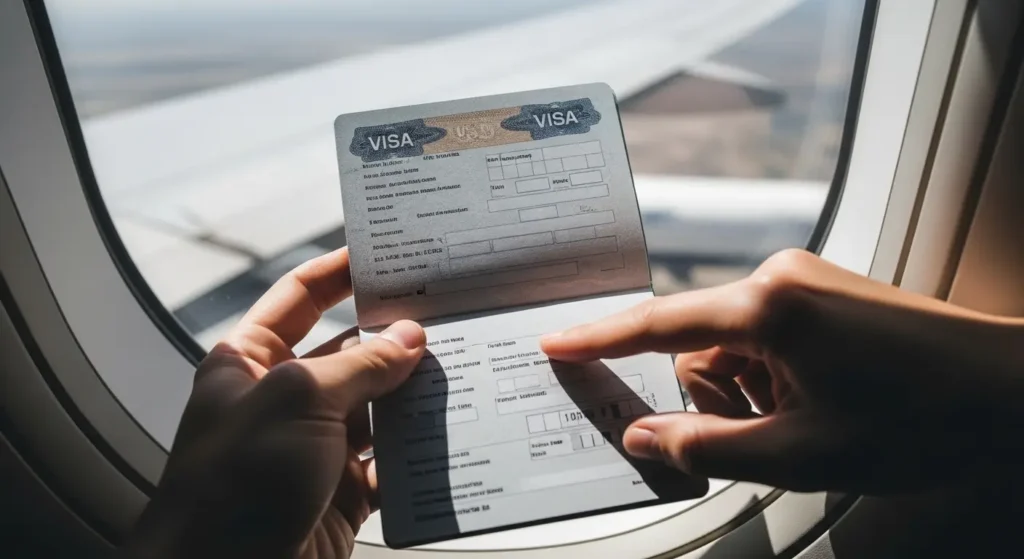
Transit visas are typically needed when your connecting flight requires you to pass through immigration, or when your layover is long enough that you want or need to leave the airport. Before you travel, it helps to understand the full international layover rules so you know exactly what to expect at immigration during a stopover.
Here is how the process works step by step:
- Check if your nationality requires a transit visa for the layover country
- Apply through the embassy or consulate of the transit country
- Submit your onward travel documents as proof of your final destination
- Receive the transit visa and present it at immigration during your layover
- Stay within the permitted time limit and board your onward flight
Some countries offer visa free transit for specific nationalities. For example, travellers holding a valid US visa may not need a separate transit visa for some European countries.
Tourist Visa vs Transit Visa Requirements Compared
| Requirement | Tourist Visa | Transit Visa |
|---|---|---|
| Valid Passport | Yes | Yes |
| Return or Onward Ticket | Recommended | Mandatory |
| Hotel or Accommodation Proof | Yes | Not always required |
| Bank Statements | Yes | Sometimes |
| Travel Insurance | Recommended or required | Rarely required |
| Invitation Letter | Sometimes | Not usually |
| Onward Destination Proof | Not required | Mandatory |
Real Travel Scenarios: Tourist vs Transit Visa

Understanding the difference becomes much clearer with practical examples.
Scenario 1: Family Holiday to UK
Amna from Karachi wants to spend 10 days visiting London. She needs a UK Standard Visitor Visa, which is the tourist visa. She cannot use a transit visa for this trip.
Scenario 2: Stopover in Dubai While Flying to USA
Bilal is traveling from Islamabad to New York with a 6 hour layover in Dubai. If he stays inside Dubai Airport in the transit zone, he does not need any visa. If he wants to go to his cousin’s house in Dubai during the layover, he would need a UAE tourist visa. This is a very common situation travellers face, and knowing whether you can leave the airport during a layover is something every connecting passenger should check before booking.
Scenario 3: Europe Layover
Sadia is flying from Lahore to Toronto with a layover in Amsterdam. Her layover is 4 hours and she stays in the airport. She may need a Schengen airside transit visa depending on her nationality. She does not need a tourist visa.
Countries Where Transit Visa Rules Are Strict
Some countries enforce very strict transit visa policies. Here are a few to be aware of:
- United Kingdom: Pakistan passport holders require a Direct Airside Transit Visa even for airside transits at UK airports.
- USA: No transit visa needed if you have a valid US visa or Green Card. Otherwise, you need a B1/B2 visa.
- Canada: Pakistani nationals generally require a Canadian transit visa for any layover in Canada.
- Schengen Countries: An airside transit visa may be needed depending on your nationality.
Common Mistakes Travelers Make
Avoiding these errors can save you serious trouble at the airport:
- Applying for a transit visa when you actually plan to leave the airport and need a tourist visa
- Booking a layover in a country without checking if your nationality needs a transit visa
- Assuming a tourist visa from one country is valid for transit through another
- Not checking whether your existing visa from a third country exempts you from a transit visa requirement
- Forgetting that transit visa rules can change without much public notice
Many of these mistakes also overlap with broader visa application errors. If you want to protect your application from the start, reading about the most common reasons for visa rejection can help you avoid costly denials before they happen.
Validity and Duration
| Visa Type | Typical Validity | Maximum Stay | Extension Possible |
|---|---|---|---|
| Tourist Visa (USA) | 10 years | 6 months per entry | Sometimes |
| Tourist Visa (UK) | 6 months | 6 months | No, must reapply |
| Tourist Visa (Schengen) | 90 days | 90 days in 180 day period | Rarely |
| Transit Visa (UK) | Single transit | 24 to 48 hours | No |
| Transit Visa (Schengen) | Single transit | 5 days max | No |
| Transit Visa (Canada) | Single or double | Few days | No |
Tips for Choosing the Right Visa
Picking the right visa type is straightforward once you ask yourself these questions:
- Am I the final destination traveller or just passing through
- Do I plan to leave the airport during my layover
- How long is my stopover
- Does my nationality require a transit visa for this specific country
If you are the final destination traveler staying to explore, apply for a tourist visa. If you are just connecting flights and staying in the airport zone, check if you need a transit visa or if your nationality qualifies for visa-free transit.
Additional Best Practice Tips
- Always check visa requirements at least 3 months before travel
- Verify requirements on the official embassy website of the destination or transit country
- Keep printed copies of all visa approvals, hotel bookings, and flight itineraries
- If in doubt, consult a verified travel agent or immigration consultant
- Apply for transit visas even when you think you might not need one, just to be safe
How to Apply for Each Visa Type
Tourist Visa Application Steps:
- Visit the official embassy or consulate website
- Complete the online or paper application form
- Gather all required documents
- Pay the visa fee
- Attend a biometric appointment if required
- Wait for processing, which can take 5 to 20 business days
- Collect your visa or receive it by mail
Transit Visa Application Steps:
- Confirm you need a transit visa by checking official sources
- Gather proof of onward journey and final destination visa
- Submit your application to the transit country embassy
- Pay the applicable fee, which is usually lower than a tourist visa
- Receive your transit visa and carry it with your travel documents
Conclusion
Both tourist and transit visas serve specific and very different purposes. Choosing the wrong one can turn a dream trip into a nightmare.
Key Takeaways
Here are the most important points to remember:
- A tourist visa is for travelers whose final destination is the country issuing the visa
- A transit visa is for travelers simply passing through a country to reach another destination
- Transit visas may or may not allow you to leave the airport depending on the type
- Some nationalities are exempt from transit visas in certain countries
- Always verify requirements on official embassy websites before booking travel
- Overstaying either visa type can lead to serious legal consequences
- When layovers are long and you want to explore, a tourist visa is what you need
Travel smart, plan early, and always get the right visa for your specific journey.
FAQs
1.Can I use a transit visa to explore a city during a long layover?
It depends on the type of transit visa. An airside transit visa only allows you to remain in the international zone of the airport. If you want to leave the airport and visit the city, you need a tourist visa or a transit visa with entry permission.
2.Do all countries require a transit visa?
No. Many countries offer visa free transit for certain nationalities. For example, travellers with a valid US, UK, or Schengen visa are often exempt from transit visa requirements in other countries. Always check the specific rules for your passport.
3.Is a transit visa cheaper than a tourist visa?
Generally yes. Transit visas have a lower fee because they grant limited access for a very short time. Some countries offer transit visas for free depending on your nationality.
4.What happens if I miss my connecting flight on a transit visa?
This is a serious situation. You should immediately contact the airline and the local immigration authority. Your transit visa may not cover an extended stay, and you could be required to remain in the airport transit zone until a new flight is arranged.
5.Can I convert a transit visa to a tourist visa?
In most countries, this is not allowed. You would need to leave the country and apply for the appropriate tourist visa before returning.
6.How long does it take to get a transit visa?
Processing times vary. Most transit visas are processed within 3 to 10 business days. It is always recommended to apply well in advance of your travel date.
7.What documents do I need for a transit visa?
You typically need a valid passport, your onward travel ticket, your final destination visa or entry permit, a completed application form, and the visa fee payment proof.