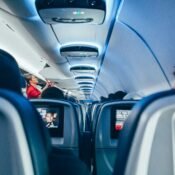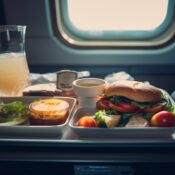
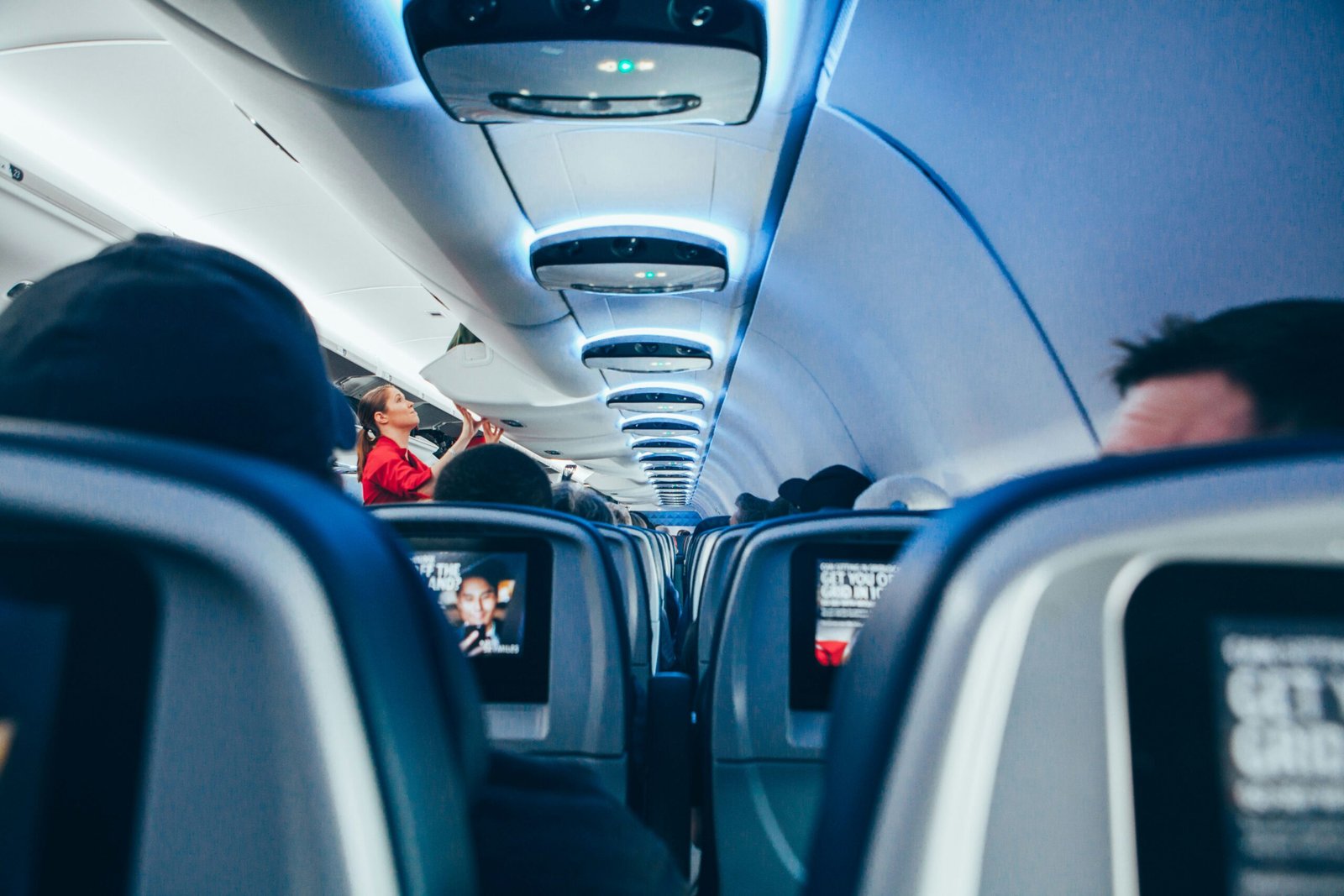
Red eye flights have a reputation for leaving travelLers exhausted, stiff, and wide eyed the morning after. You board the plane at midnight, spend the next several hours fighting for sleep in a cramped seat, and stumble off the aircraft bleary and drained often with a full day ahead of you.
Yet millions of travelers choose overnight flights every year, and for good reason. They are typically cheaper than daytime options, they save a hotel night, and they let you arrive at your destination ready to hit the ground running. The difference between a miserable overnight journey and a surprisingly manageable one comes down to preparation.
Whether you are flying coast to coast or crossing oceans, these top red eye flight survival tips will help you land feeling like a person again. From what to pack and how to sleep, to what to eat and how to recover after landing, this guide covers everything you need to know before your next overnight departure.
What Exactly Is a Red Eye Flight?
A red eye flight is any flight that departs late at night (typically between 9 PM and 1 AM) and arrives early the following morning. The name comes from the bloodshot, tired eyes passengers often have upon landing after a night of disrupted sleep at altitude.
These flights are common on long domestic routes, transatlantic crossings, and international routes where airlines want to maximize aircraft utilization overnight. If you are considering booking one, understanding how flight prices change can help you decide whether the cheaper overnight fare is actually the best deal for your trip.
Why Red Eye Flights Are Worth It
Before diving into survival tactics, it helps to understand why so many experienced travelers actually prefer overnight flights.
The main advantages include:
- Lower ticket prices overnight flights often cost significantly less than peak daytime routes
- No wasted daytime travel hours you sleep while you fly
- Shorter airport queues late night terminals are noticeably calmer
- You save one night of hotel costs by traveling while you sleep
- You arrive in the morning with a full day ahead of you
However, these benefits only pay off if you arrive rested enough to enjoy them. That is where the tips below make all the difference.
Red Eye Flight Survival Checklist
| Category | Key Action |
|---|---|
| Before You Fly | Adjust sleep schedule, avoid caffeine, pack a sleep kit |
| At the Airport | Skip heavy meals, board early, set your phone to destination timezone |
| On the Plane | Window seat, hydrate, block light and noise, limit alcohol |
| After Landing | Get daylight exposure, avoid long naps, stay active |
Comparison Table Of Top 10 Red Eye Flight Survival Tips for Travellers
| # | Tip | Main action | When to apply | Impact level | Common mistake to avoid |
|---|---|---|---|---|---|
| 1 | Choose seat strategically | Window seat for wall support, avoid middle and non-reclining exit rows | At booking | High | Picking middle seat or non-reclining exit row |
| 2 | Build a sleep kit | Pack neck pillow, eye mask, earplugs, blanket, melatonin, moisturizer | Before departure | High | Assuming you will sleep without any sleep aids |
| 3 | Adjust sleep schedule | Shift bedtime 1–2 hours later for 2 days before flight, skip daytime nap | 2 days before | High | Napping on the day of the flight |
| 4 | Eat light before flying | Light meal 2–3 hours before boarding soup, salad, lean protein | Same day | Medium | Eating heavy, greasy food right before boarding |
| 5 | Stay hydrated | 250 ml water per flight hour, carry refillable bottle, start hydrating early | Before + during | High | Waiting until you feel thirsty it is already too late |
| 6 | Skip alcohol and caffeine | No caffeine after midday, no alcohol on board both destroy sleep quality | Day of flight | High | Drinking wine to help you sleep it breaks REM sleep |
| 7 | Dress for sleep | Loose layers, slip-on shoes, compression socks for long flights | Day of flight | Medium | Wearing tight jeans or stiff clothing for an overnight flight |
| 8 | Manage screen time | Night mode on, screens off 30 min before sleep, set phone to destination timezone | On the plane | Medium | Scrolling social media for the first hour after boarding |
| 9 | Move and stretch | Walk the aisle every 2 hours, ankle circles in seat, avoid crossing legs | On the plane | Medium | Sitting completely still for 6+ hours without moving |
| 10 | Recovery plan after landing | Sunlight exposure, no long naps, proper meal, sleep at local bedtime | After landing | Essential | Sleeping for hours on arrival ruins night time sleep cycle |
1.Choose Your Seat Strategically
Where you sit on an overnight flight has a bigger impact on your sleep quality than almost anything else you bring with you.
The window seat is widely considered the best option for red eye travelers. It gives you a wall to lean against, removes the risk of being woken by neighbouring passengers needing to get past you, and puts you in control of the window shade. Middle seats are the worst choice you have no surface to lean against and are constantly at the mercy of two other people.
An exit row or bulkhead seat can offer extra legroom, but these seats sometimes do not recline, which cancels out the benefit. Check seat maps carefully before selecting. If you are traveling on a popular transatlantic route, some airlines to Europe offer seat selection tools that let you filter specifically for aisle or window preferences during booking.
2.Build a Proper Sleep Kit
The cabin environment on an overnight flight works against sleep in almost every way. It is bright when you want darkness, noisy when you need quiet, and temperature-controlled in a way that rarely suits your comfort. The solution is to bring the tools to create your own micro-environment.
Your red eye sleep kit should include:
- A quality neck pillow (memory foam or inflatable)
- An eye mask that sits flat against your face without pressing on your eyelids
- Earplugs or noise-cancelling headphones
- A lightweight travel blanket or large scarf for warmth
- Melatonin (low dose, 0.5 mg to 1 mg is often sufficient)
- A lip balm and small bottle of moisturizer (cabin air is extremely dry)
These items take up minimal space in your carry on but make a significant difference in how much sleep you actually get. If you are packing smart, review the items not allowed in carry on bags before your departure to make sure nothing in your kit causes delays at security.
3. Adjust Your Sleep Schedule Before You Fly
One of the most overlooked strategies for red eye travel is preparing your body clock before you even get to the airport. Most travelers make no changes to their routine whatsoever, then wonder why sleep feels impossible at 35,000 feet.
In the two days before your red eye flight, try shifting your sleep time later by one to two hours each night. This primes your body to feel naturally tired at the time your flight takes off, rather than wired and awake.
Additionally, avoid taking a nap on the day of your flight. Being genuinely tired when you board is one of the best advantages you can give yourself for falling asleep quickly once you are seated.
4. Eat Light and Choose the Right Foods
What you eat before boarding has a direct effect on how well you sleep in the air. Heavy, greasy, or high sugar meals tend to disrupt digestion, cause bloating at altitude, and make it harder to relax.
Aim for a light meal two to three hours before your flight. Good options include:
- Soups or broths
- Salads with lean protein
- Whole grains or oatmeal
- Bananas or cherries, which naturally contain melatonin
- Herbal teas like chamomile or valerian root
Avoid fast food, spicy dishes, carbonated drinks, and anything you know causes you digestive discomfort. The pressurized cabin environment causes gas to expand, so foods that cause bloating at sea level will feel significantly worse at altitude.
5. Stay Hydrated

Cabin air at cruising altitude typically has a humidity level of around 10 to 20 percent far drier than most desert environments on the ground. This causes dehydration to set in faster than many travellers realize, contributing to fatigue, headaches, and dry skin.
Hydration guidelines for red eye flights:
- Drink at least 250 ml (about 8 oz) of water for every hour of flight time
- Start hydrating several hours before you board, not just during the flight
- Bring an empty refillable bottle through security and fill it at the gate
- Avoid alcohol and limit caffeine, both of which accelerate dehydration
This does not mean you need to drink so much water that you are visiting the lavatory every 30 minutes. Steady, consistent intake throughout the journey is the goal.
6. Skip Alcohol and Limit Caffeine
This is probably the most common mistake travelers make on overnight flights. A glass of wine feels like a natural sleep aid, and in a social or relaxed setting it might be. But on an airplane, alcohol significantly reduces sleep quality even when it helps you fall asleep faster.
Studies from sleep medicine specialists have consistently shown that alcohol interferes with REM sleep the deep, restorative phase and causes you to wake more frequently during the night. You may fall asleep faster, but you wake up feeling far more tired than if you had skipped the drink entirely.
Caffeine is equally problematic. The half-life of caffeine in the body is approximately five to six hours, which means a coffee at 7 PM will still have a measurable effect at midnight. Avoid caffeine from mid-afternoon onward on the day of a night flight.
7. Dress for Sleep, Not Style
Comfort wins every time on an overnight flight. This is not the moment for tight jeans, stiff collared shirts, or restrictive footwear. Your body temperature naturally drops when you sleep, and the cabin temperature often fluctuates throughout the flight.
What to wear on a red eye flight:
- Loose-fitting trousers or joggers in breathable fabric
- A comfortable long-sleeved base layer
- A light zip-up hoodie or cardigan that can double as a blanket
- Slip-on shoes or comfortable sneakers you can remove easily
- Compression socks if you are prone to swollen feet or poor circulation on long flights
Layering is key. Airlines control the cabin temperature and it rarely stays constant. Having layers you can add or remove without disturbing your neighbor is a genuine advantage.
8. Manage Your Devices and Screen Time

The blue light emitted by phone and laptop screens suppresses melatonin production and signals to your brain that it is still daytime. Spending the first hour of your overnight flight scrolling through social media is actively working against your ability to fall asleep.
Smart device strategy for red eye flights:
- Enable night mode or the warmest color setting on your phone before boarding
- Set your phone to the timezone of your destination as soon as you board
- Use your device to listen to a calming playlist, podcast, or white noise, then put the screen away
- Download entertainment before you fly rather than relying on in flight Wi-Fi
- Aim to stop looking at any screen at least 30 minutes before you want to fall asleep
If you have a long layover before or after your red eye, understanding international layover rules can help you use that transition time to rest and recharge rather than spending it stressed at the gate.
9. Move, Stretch, and Protect Your Circulation
Sitting in a fixed position for six or more hours creates real physical discomfort and can carry health risks, particularly for people prone to deep vein thrombosis (DVT). Even small amounts of movement and stretching can significantly improve how you feel on arrival.
In flight movement tips:
- Get up and walk the aisle at least once every two hours
- Do ankle circles and calf raises in your seat to keep blood moving
- Stretch your neck gently from side to side every 30 to 45 minutes
- Wear compression socks if your flight is longer than four hours
- Avoid crossing your legs for extended periods as this restricts blood flow
This is especially relevant on long-haul routes. If you are flying a lengthy route such as a flight from LAX to Tokyo or a transatlantic crossing to Europe, circulation becomes a serious priority over the course of 10 to 14 hours in the air.
10. Have a Smart Recovery Plan After Landing
Surviving the flight is only half the challenge. How you handle the hours after landing determines whether your red eye experience was a success or a disaster.
Post landing recovery plan:
- Get exposure to natural daylight as soon as possible sunlight signals your brain to reset its internal clock
- Avoid taking a long nap if you arrive in the morning; a nap longer than 20 to 30 minutes will make it harder to sleep that night
- Eat a proper breakfast or meal to get your energy levels back up
- Stay active and move around rather than collapsing in a hotel room all day
- Aim to get to bed at a normal local time to help your body adapt to the new timezone faster
If you are managing a connecting flight after a red eye, review your transit vs transfer options carefully so you know exactly what to expect at your layover airport before you land.
Red Eye Flight Packing List
| Item | Why You Need It |
|---|---|
| Neck pillow | Prevents neck strain while sleeping upright |
| Eye mask | Blocks cabin and screen light from neighboring passengers |
| Noise-cancelling headphones | Reduces engine noise and cabin conversations |
| Compression socks | Improves circulation on longer flights |
| Refillable water bottle | Maintains hydration without paying for bottled water |
| Melatonin (low dose) | Helps signal the body that it is time to sleep |
| Lip balm and moisturizer | Counters cabin dryness on skin |
| Healthy snacks | Avoids reliance on late airline meal service |
| Layers (hoodie, scarf) | Manages fluctuating cabin temperature |
| Earplugs (backup) | Useful if headphones run out of battery |
Common Mistakes That Ruin Red Eye Flights
Even well prepared travellers sometimes sabotage their overnight journey with easy-to-avoid errors. Here are the most common ones:
1.Drinking alcohol to help you sleep
As covered above, alcohol breaks down your sleep quality even when it helps you nod off faster. The result is waking up exhausted.
2.Not booking the right seat
Choosing a middle seat or a non-reclining exit row on a long overnight route can mean hours of genuine discomfort.
3.Arriving at the airport in a rush
Stress and cortisol are the enemies of sleep. Arriving calm and with time to spare sets the tone for the rest of the journey. Understanding how early to check bags and when to arrive removes that anxiety entirely.
4.Eating a heavy meal right before boarding
A full stomach at altitude creates bloating, discomfort, and difficulty relaxing enough to sleep.
5.Not packing a sleep kit
Many travellers assume they will somehow fall asleep without any preparation. The cabin lights, the crying infant three rows back, and the overhead announcements make that unlikely without the right tools.
6.Keeping screens on too long
Blue light at night delays melatonin onset and makes falling asleep harder. Put the phone away.
Red Eye vs Daytime Flight
| Factor | Red Eye Flight | Daytime Flight |
|---|---|---|
| Price | Usually lower | Generally higher |
| Airport crowds | Quieter, shorter lines | Busier, longer security waits |
| Sleep quality | Possible with preparation | Not typically needed |
| Daytime productivity | Full day at destination | Day partially spent flying |
| Jet lag impact | Can be managed well | Varies by route |
| Comfort | Requires more planning | More naturally comfortable |
For budget conscious travellers and those heading to distant destinations, overnight flights often deliver better value when approached with the right strategy. Checking the best time to book cheap flights before you commit to a red eye can also help you secure a lower fare for an even better overall deal.
FAQs
What is the best seat for sleeping on a red eye flight?
A window seat in a row with full recline is the best option for sleeping on an overnight flight. The window gives you a surface to lean against and lets you control the shade. Avoid middle seats and non-reclining exit rows for long overnight journeys.
How do you deal with jet lag after a red eye flight?
Expose yourself to natural sunlight as soon as you land, eat a proper meal, stay active, and aim to sleep at the normal local bedtime. Avoid long naps during the day as these make it harder to reset your internal clock. Low-dose melatonin can also help your body adjust faster.
Is it better to sleep or stay awake on a red eye flight?
It is almost always better to sleep, even if you only manage a few hours of light rest. Even partial sleep reduces fatigue on arrival and makes the rest of your day more productive. Staying awake the entire flight typically results in complete exhaustion upon landing.
What should I eat before a red eye flight?
Eat a light meal two to three hours before departure. Good choices include soups, salads, lean proteins, and whole grains. Avoid heavy, spicy, or high-sugar foods, as these cause digestive discomfort at altitude and make sleep more difficult.
Can melatonin really help you sleep on a plane?
Yes, low-dose melatonin (0.5 mg to 1 mg) can be effective for helping your body shift into sleep mode on overnight flights, particularly when crossing time zones. It works best when taken 30 minutes before you want to fall asleep and is most useful when your body clock does not naturally align with the flight schedule.
Are red eye flights worse for your health?
Occasional red eye flights are not considered a health risk for most people. However, frequent overnight flying can disrupt circadian rhythms over time. Staying hydrated, wearing compression socks on long flights, and maintaining a recovery routine after landing reduces the health impact of overnight travel significantly.
Conclusion
Red eye flights do not have to be something you simply endure. With the right preparation, a good seat, and a few simple strategies, an overnight flight can be a genuinely efficient and even comfortable way to travel.
The key is to stop leaving things to chance. Pack your sleep kit before you leave home. Choose your seat with intention. Skip the alcohol, stay hydrated, and give yourself a real recovery plan for the morning after landing. When you treat a red eye flight as a planned event rather than just a journey you happen to take at night, the experience changes dramatically.