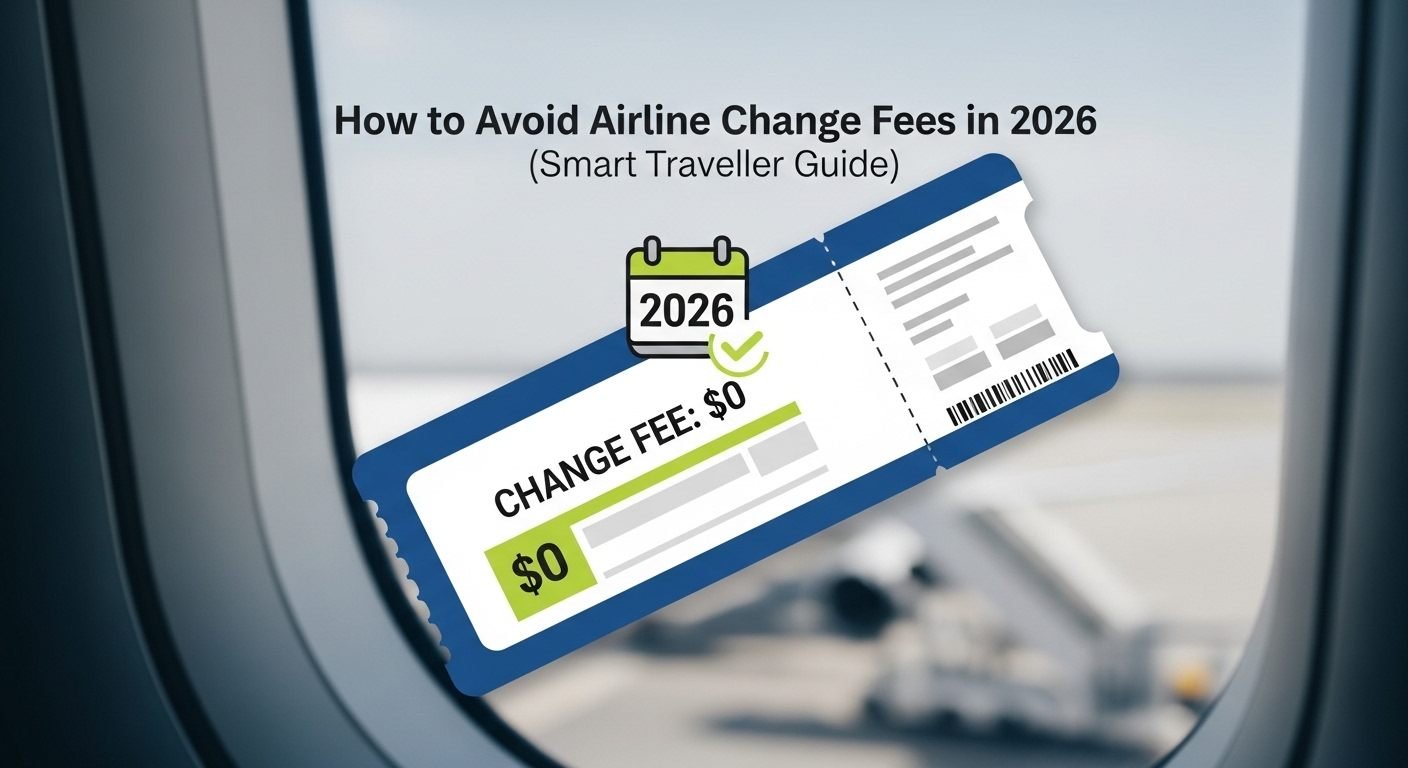
Avoiding airline change fees in 2026 is easier than ever if you know the rules. Major U.S. carriers like Delta, United, American, and Alaska Airlines have permanently eliminated change fees on most standard economy and premium tickets, meaning millions of travellers can now adjust their plans without paying a penalty. However, “no change fee” doesn’t mean completely free changes you may still owe the fare difference, and budget airlines like Spirit, Frontier, and Allegiant still charge $69–$119 to modify a booking. Knowing which airline you’re flying, which fare type you booked, and what your rights are is the difference between a stress-free rebooking and an unexpected bill.
The smartest ways to avoid airline change fees include booking directly with the airline, skipping Basic Economy fares, using the 24 hour cancellation window, and flying Southwest the only major U.S. carrier with zero change fees across all fare types. Travelers can also avoid fees by monitoring schedule changes (a shift of 60+ minutes often entitles you to a full refund), holding a premium travel credit card with trip protection, or simply requesting a fee waiver for qualifying circumstances like illness or severe weather. With the right strategy before you book, you can fly flexible in 2026 without paying a single dollar in change fees.
The Landscape Has Changed But Has not Changed Completely
The COVID-19 pandemic was, oddly enough, a turning point for traveller friendly policies. Airlines were forced to offer flexibility or lose customers entirely. Most major U.S. carriers responded by scrapping change fees permanently. However, that doesn’t mean changing your flight is always free. There’s a crucial distinction every smart traveller must understand: no change fee ≠ no extra cost.
Even if an airline waives the change fee, you’re still on the hook for the fare difference if the new flight costs more. And if your new flight is cheaper? You typically receive a travel credit not cash. So while the system is more generous than it used to be, it still rewards travellers who plan carefully and know the rules.
Major Airlines: Change Fee Policies at a Glance (2026)
Here’s a clear breakdown of how the biggest airlines handle change fees this year:
| Airline | Change Fee | Basic Economy | Same Day Change Fee | Refundable if Cheaper |
|---|---|---|---|---|
| Delta Air Lines | $0 (U.S. & Canada originating) | Fee applies | $75 (waived for elite members) | Travel credit issued |
| United Airlines | $0 (most domestic & international) | Not allowed | Free standby | Travel credit issued |
| American Airlines | $0 (U.S., Canada, Caribbean & more) | Not allowed | $50 (Main Cabin) / $0 (Business/First) | Travel credit issued |
| Alaska Airlines | $0 (standard & first class) | Fee applies | $50 ($25 in CA/Alaska shuttle markets) | Travel credit issued |
| Southwest Airlines | $0 (all fares) | No Basic Economy tier | $0 | Full travel credit, no expiry |
| Allegiant Air | $25/segment (min. 7 days before travel) | Restrictive | No changes within 7 days | Voucher only, non-refundable |
| Spirit / Frontier | $69–$119 depending on timing | Restrictive | High fees apply | Credit only |
Key Takeaway: Legacy carriers are your safest bet for flexibility. Ultra-Low-Cost Carriers (ULCCs) like Allegiant, Spirit, and Frontier still treat change fees as a primary revenue stream.
The #1 Rule: The 24 Hour Window
The 24-hour rule applies to many airlines you can cancel within 24 hours of booking for a full refund, as long as the flight is at least a week away. This rule is actually backed by the U.S. Department of Transportation, making it a legal right rather than just a courtesy policy.
This is your most powerful tool as a traveller. If you book a flight and immediately have second thoughts or spot a better deal you have a full day to cancel with zero penalty. Use it wisely. If you’re dealing with cancellations or airline schedule changes, our complete flight delay and refund rights guide explains when you’re entitled to money back
Smart Strategies to Avoid Airline Change Fees in 2026

1. Always Book Directly with the Airline
Generally, using a third party like Expedia, Orbitz, or a credit card rewards portal is a fine alternative to purchasing directly through an airline. However, it adds an extra layer of uncertainty and customer support wrangling for changes and cancellations. When you book through an OTA and need to change, you often have to deal with both the airline and the third party and policies can conflict. Always book direct when flexibility matters.
2. Never Book Basic Economy Unless You are 100% Certain
This is the most common trap. Basic Economy fares are aggressively priced, but they come with almost zero flexibility. Basic Economy rarely qualifies for changes. These are the least flexible fares most airlines don’t allow any changes at all unless you’ve paid extra for flexibility. The small upfront saving is simply not worth it if there’s any chance your plans might shift. Some travellers try to solve flexibility issues by transferring tickets, but that is usually not allowed. Here’s what you need to know about transfer plane ticket rules.
3. Use Schedule Changes to Your Advantage
This is one of the most underused tricks in travel. If an airline changes your flight time by more than 60–120 minutes, you are often entitled to a full refund to your original payment method, regardless of your fare type. Airlines make schedule adjustments constantly. If your flight time shifts significantly after you’ve booked, you may be entitled to cancel for a full cash refund even on a non-refundable ticket. Always check your booking emails for schedule change notifications, and don’t just accept the new time without exploring your options. If you’re flying ultra low cost carriers, policies are stricter. For example, here’s how Spirit Airlines cancellation and refunds work.
4. Use a Premium Travel Credit Card with Trip Protection
Cards such as the Chase Sapphire Preferred, Chase Sapphire Reserve, and Ink Business Preferred Credit Card have trip cancellation insurance that can help recoup the cost of airfare if you need to cancel for a covered reason. If your reason for changing a flight is covered illness, jury duty, severe weather your credit card may cover the cost entirely, meaning you don’t need to negotiate with the airline at all.
5. Fly on Airlines with Genuinely Flexible Policies
Southwest Airlines remains the gold standard for flexibility. Unlike every other major carrier, Southwest has no Basic Economy tier, charges no change fees across all fare types, and most importantly Southwest Travel Funds do not expire, meaning any credit you receive from a cancelled flight stays with you indefinitely.
6. Request Fee Waivers for Special Circumstances
Under some circumstances, you can get change and cancellation fees waived. For example, if you experience the death of an immediate family member or your travel companion, or have jury duty, you might qualify for a fee waiver. Airlines also issue travel waivers during weather emergencies and major disruptions. If any of these situations apply to you, always call and ask agents have more discretion than the website suggests.
7. Be Polite to Customer Service Agents
This sounds basic, but it works. Fees can be waived in certain situations, so always be nice to your customer service agent. Agents genuinely have the power to make exceptions. A calm, respectful conversation goes much further than demanding or confrontational behavior.
8. Book Refundable Fares for High Stakes Travel
For important business travel, weddings, medical trips, or any journey where plans are truly uncertain, paying the premium for a fully refundable fare is worth it. The price difference is often smaller than people assume and it eliminates all the stress of calculating credits, fare differences, and expiry dates.
Comparing Fare Types: Which Gives You the Most Flexibility
Understanding fare types is essential before you buy. Here’s how the major categories stack up in terms of change flexibility:
| Fare Type | Change Allowed | Fee | Refund Type | Best For |
|---|---|---|---|---|
| Basic Economy / Saver | Rarely | $0–$200+ | None or voucher | Absolutely certain travelers only |
| Standard Economy | Yes (major carriers) | $0 | Travel credit | Most leisure travelers |
| Flexible / Standard Plus | Yes | $0 | Travel credit or cash (varies) | Travelers with some uncertainty |
| Business / First Class | Yes | $0 | Full refund or credit | Frequent business travelers |
| Fully Refundable | Yes | $0 | Cash refund | High-stakes trips, medical travel |
Pro Tip: If you’re flying internationally on a route that originates outside North or South America, change fees can reach up to $400 even on major carriers. American Airlines, for example, charges up to $400 for trips originating outside North or South America. Always check origin-specific policies before booking international routes.
The 2026 Regulatory Landscape: What Changed (and What Didn’t)

One significant policy shift in late 2025 affects how you should approach travel protection. On November 17, 2025, the Trump Administration officially withdrew the proposed Biden-era rule that would have required airlines to issue automatic cash compensation for significant delays. This means travelers are now without the delay compensation protections many had anticipated for 2026.
If the rule had not been withdrawn, travellers would have been compensated by airlines for airline-caused delays from $200 to $755, depending on the length of the delay. Since that protection is now gone, the responsibility falls back on travellers to protect themselves which means travel insurance is more important than ever.
Thankfully, one core protection remains: travellers are still entitled to a full refund if their flight is canceled and they decide not to rebook it.
When to Buy Travel Insurance (and When to Skip It)
Not every trip needs travel insurance, but in 2026 with the rollback of delay compensation rules it’s worth considering more seriously than before. Here’s a quick framework:
| Situation | Travel Insurance Recommended | Why |
|---|---|---|
| International trip over $2,000 | Yes | High cost, complex logistics |
| Domestic trip with refundable fare | No | Already protected |
| Non-refundable tickets, uncertain plans | Yes | Covers cancellation for covered reasons |
| Basic Economy fare, no elite status | Yes | No built in flexibility whatsoever |
| Trip during hurricane season | Yes | Weather disruptions are common |
| Short domestic trip, flexible fare | No | Credit card protection usually sufficient |
Important Note: Coverage sold at checkout on airline and booking websites is typically less competitive in price and protection compared to policies available directly through travel insurance providers or marketplaces. Always compare quotes independently before adding insurance at checkout.
Quick Reference Checklist: Before You Book
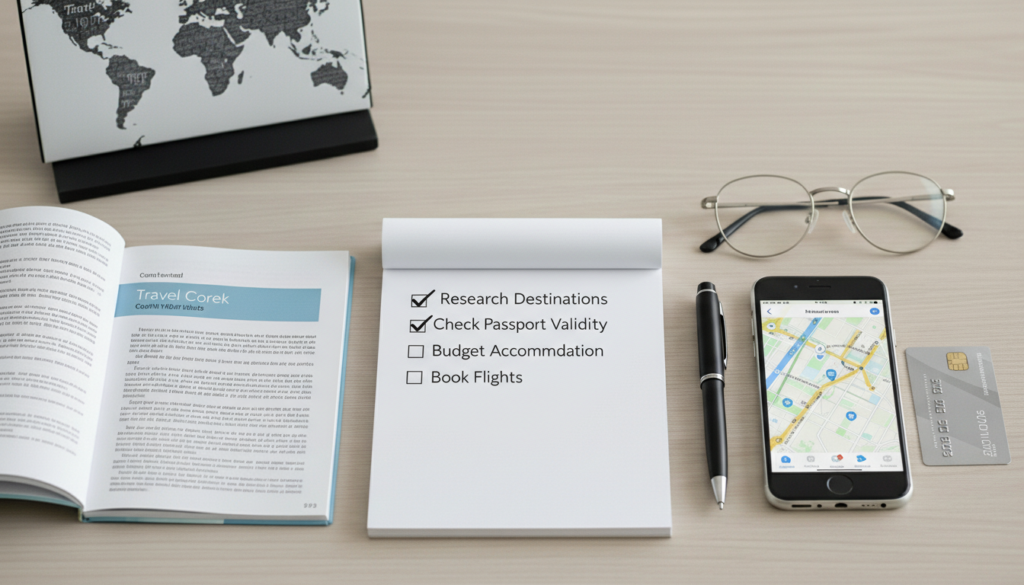
Here’s your pre-booking checklist to make sure you’re protected before you click “purchase”:
- Am I booking directly through the airline?
- Am I avoiding Basic Economy if my plans might change?
- Have I checked whether my credit card offers trip cancellation insurance?
- Do I know the airline’s schedule change policy?
- Is this trip within the 24-hour cancellation window if I need to back out?
- For international flights does my route originate in a fee-exempt region?
- Have I considered a fully refundable fare for high-stakes travel?
- Am I using a loyalty program or elite status that waives same-day fees?
Final Thoughts
Airline change fees in 2026 are far less predatory than they were five years ago but only if you know how to navigate the system. The biggest mistake travellers make is assuming that “no change fee” means completely consequence free flexibility. Fare differences, credit-only refunds, and expiry dates are still very real. The smartest approach combines choosing the right airline, picking the right fare type, understanding your rights around schedule changes, and backing up your booking with either a premium credit card or standalone travel insurance. Follow these strategies, and you’ll be the traveller who changes plans without panic and without paying for it.