
To lock a flight price without paying immediately, you can use tools like Google Flights price tracking, book a refundable fare, use the hold feature on select airlines, or pay through a card with price protection. Flight prices move dozens of times per day. Every hour you wait without locking a price, you risk paying 20 to 40 percent more for the same seat.
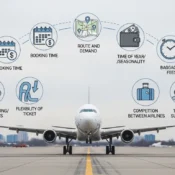
Most travellers assume flight prices are fixed until they decide to book. They are not. Airlines adjust fares based on seat availability, route demand, competitor pricing, and time of day. A ticket priced at $310 on Tuesday morning can jump to $420 by Tuesday evening. The six methods in this guide let you lock a flight price before it increases, and most of them cost nothing to use.
6 Ways to Lock Flight Prices
1. Use the Airline Hold Feature to Lock Your Seat Without Full Payment
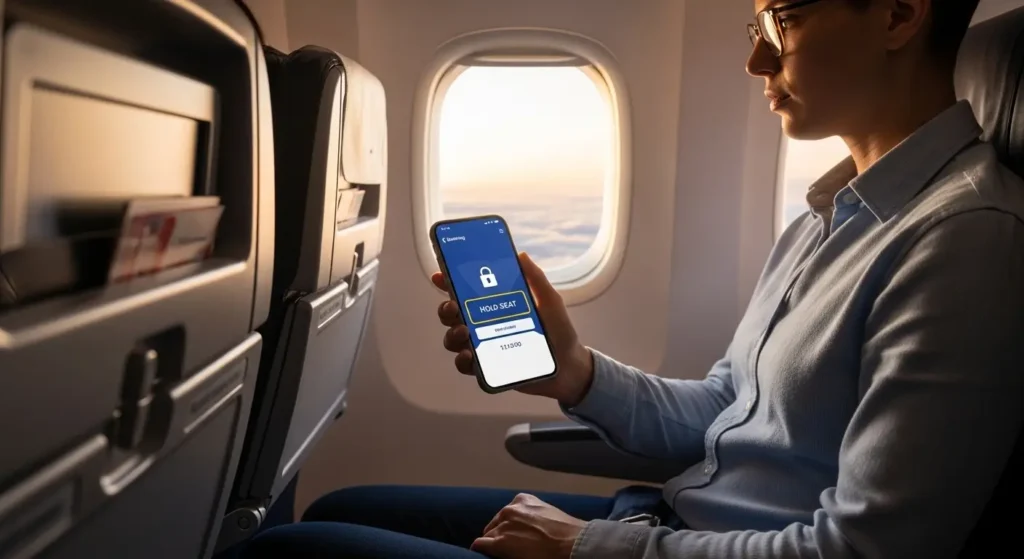
Several major airlines let you hold a flight for 24 to 72 hours before paying, sometimes for free and sometimes for a small fee. This is the most direct way to lock flight price without buying immediately.
Airlines including American Airlines, United, and Delta offer hold options at checkout. The hold fee typically ranges from $5 to $30 depending on the route and duration. For international flights where prices move aggressively, paying a $15 hold fee to lock a $580 fare is almost always worth it.
Budget airlines like Spirit, Frontier, and Ryanair rarely offer free holds. On these carriers, your best alternative is to book immediately and cancel within 24 hours under the US DOT rule if you change your mind, which brings us to the next method.
If you want to avoid overpaying during checkout, read our guide on cheap flight booking tricks.
2. Set a Price Alert on Google Flights or Skyscanner
Price alerts do not lock a flight price but they notify you the moment a tracked route drops to a level worth booking. This protects you from missing a dip and from panic booking at a peak.
Google Flights lets you track any route for free. Once you enter your origin, destination, and travel dates, toggle on the price tracking option. You will receive an email when the fare goes up or down significantly. Skyscanner offers the same feature and also lets you set a target price threshold.
The real value of price alerts is behavourial. Most travellers overpay not because cheap fares do not exist, but because they book based on urgency rather than price cycles. Setting an alert forces you to monitor the fare scientifically instead of emotionally.
Pro Insight: Google Flights data shows that for most routes, prices drop meaningfully 6 to 8 weeks before departure and again 3 to 5 days before departure for unsold seats. Tracking these windows with alerts can save $80 to $200 per ticket on domestic flights.
How to set a Google Flights price alert:
1.Go to Google Flights and enter your route and dates
2.Scroll down to the price graph and enable Track Prices
3.Sign in to your Google account to receive alerts by email
4.Set a calendar reminder to check prices every 3 to 4 days as your travel date approaches
You should also understand the difference between refundable vs non refundable flights before using this strategy.
3. Book a Refundable Fare and Cancel Within the Free Cancellation Window
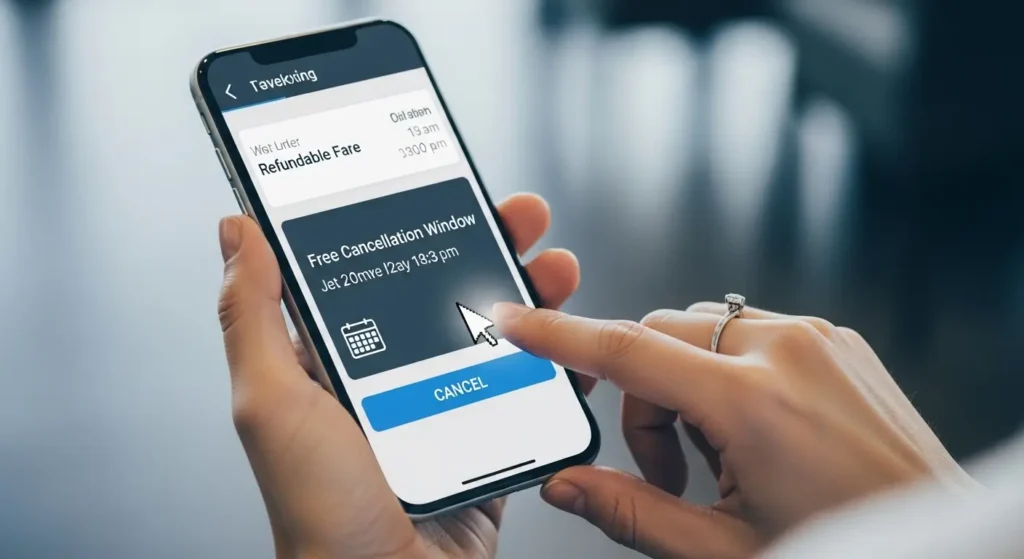
Under US DOT regulations, airlines must allow passengers to cancel within 24 hours of booking for a full refund if the flight is at least 7 days away. This gives you a free 24 hour price lock on almost every airline.
This method works best when you find a price you consider acceptable but want to keep shopping for 24 hours. Book the ticket immediately, then continue comparing. If you find something cheaper, cancel the original booking and rebook. If nothing beats it, keep it.
International travelers should also note that many airlines outside the US offer a cooling off period, though rules vary by carrier and country. Always check the fare rules before relying on this method outside North America.
Warning: This 24 hour rule does not apply to bookings made through third party OTAs like Expedia or Booking.com in all cases. For this method to work cleanly, book directly through the airline website.
For more information on cancellation rights and refund rules, check our in depth guide on flight cancellation policies on Flightofly.
If you are not ready to pay immediately, you can also learn how to hold a flight ticket without paying before fares increase.
4. Pay With a Credit Card That Offers Price Protection
Some premium travel credit cards automatically monitor your purchases and refund you the difference if the price drops after you buy. This is passive price-locking that works while you sleep.
Cards from issuers like Citi, Capital One, and certain Amex products have historically offered price protection benefits. The coverage period is typically 60 to 90 days after purchase, and the maximum refund per claim is usually $200 to $500.
While some issuers reduced these benefits in recent years, the feature still exists on select premium and business cards. Before booking any flight over $400, check your cardholder benefits guide or call your issuer to confirm whether price protection is active on your card.
Steps to use credit card price protection:
- Book the flight using the card with price protection
- Screenshot the fare at time of purchase with date and time visible
- Set a weekly alert on the same route to monitor price drops
- If price drops within the protection window, file a claim with your card issuer
- Receive the difference as a statement credit
5. Use Skyscanner or Hopper Fare Prediction to Time Your Lock
Hopper and Skyscanner both use historical pricing data to predict whether a fare will rise or fall. When the tool says book now, book now. When it says wait, set an alert and wait. This removes the guesswork from timing.
Hopper analyzes billions of flight prices to give you a buy recommendation with a confidence rating. It can also hold your price for a fee through its Price Freeze feature, which costs between $5 and $20 and freezes the exact fare you are viewing for up to 14 days. This is essentially a paid lock-flight-price service with a clear money-back-on-difference guarantee.
Skyscanner shows a price history graph for any route, letting you see where the current fare stands relative to its historical range. If the price is at a 3-month low, that is typically a strong signal to lock it immediately rather than waiting for it to drop further.
Data Point: Hopper reports that travellers who follow its booking recommendations save an average of $50 per domestic ticket and $120 per international ticket compared to users who book without data guidance.
Read our full comparison of how to find cheap flights using booking platforms on Flightofly to understand which tool works best for your route type.
6. Book Directly Through Airline Loyalty Programs to Access Locked Award Rates
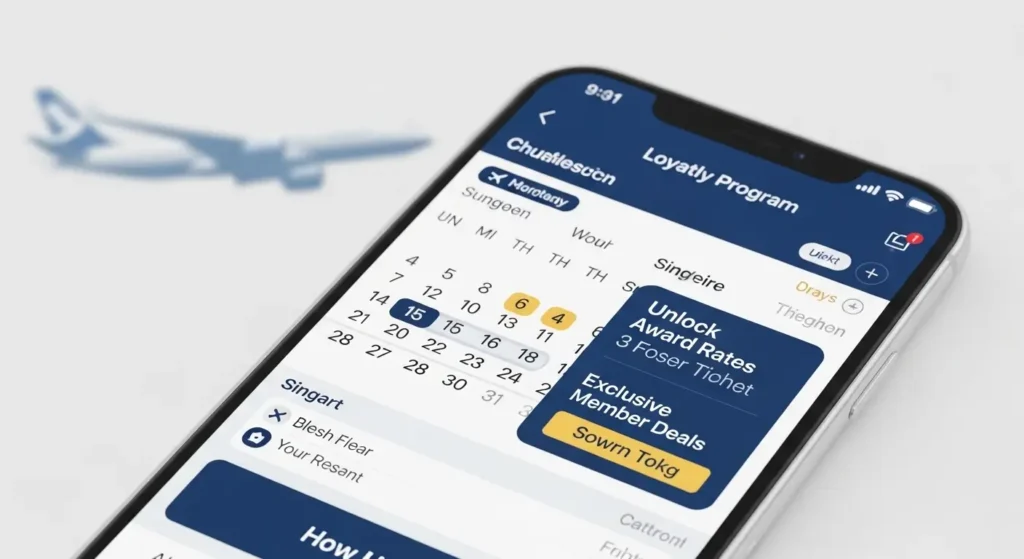
Award tickets booked with miles are not subject to dynamic cash pricing. Once you redeem miles for a seat, that seat is yours regardless of what the cash fare does afterward. This is the only true permanent price lock available to travellers.
If you have accumulated miles with any major airline, award bookings lock your rate at the miles cost at time of booking. Cash fares can triple in the final two weeks before departure, but your award ticket stays untouched. This is especially powerful for peak-season travel, holiday routes, and popular international corridors.
The strategic play here is to hold 30,000 to 50,000 miles in reserve for high-demand routes and dates, then book cash fares when prices are low for flexible travel periods. Miles function as your ultimate price-lock currency.
To understand the best time to book flights and when award space opens up, visit our best time to book flights guide on Flightofly.
Platform Comparison: Which Tool Helps You Lock Flight Price Best
| Platform | Price Lock Feature | Cost to Lock | Best For | Risk Level |
| Google Flights | Price alerts only | Free | Monitoring and tracking | Medium – no actual hold |
| Hopper | Price Freeze (paid hold) | $5 to $20 | Short-term fare protection | Low – paid freeze guarantee |
| Skyscanner | Price alerts + history | Free | Timing decisions with data | Medium – alert only |
| Airline Direct | Seat hold + 24hr cancel | Free to $40 | Full control at checkout | Low with hold confirmation |
| Credit Card OTA | Price protection post-purchase | Covered by card | Passive protection after booking | Low if card eligible |
| Miles/Award Booking | Permanent rate lock | Miles redeemed | Peak season and holidays | Very Low |
Best Booking Windows vs. Potential Savings
| Time Before Departure | Typical Fare Behavior | Recommended Action | Estimated Savings |
| 8 to 12 weeks | Prices at seasonal baseline | Ideal window to lock price | Up to 35 to 40% |
| 6 to 8 weeks | Prices starting to climb | Book now or set alert | 20 to 30% |
| 4 to 6 weeks | Moderate price increases | Compare and act fast | 10 to 20% |
| 2 to 4 weeks | Prices elevated | Use price freeze if available | 0 to 10% |
| 7 to 14 days | Variable high or last minute dip | Monitor daily, use Hopper | Unpredictable |
| Under 7 days | Usually highest prices | Miles or flexible fare only | Negative avoid cash |
Step by Step: How to Lock a Flight Price Right Now
Follow this sequence every time you find a fare you want to protect:
1.Open Google Flights and search your route. Enable price tracking immediately on the results page.
2.Check the same route on Skyscanner and compare. Note which platform shows the lower fare and the price history graph position.
3.If the fare is at a 60-day low or at the lowest point in the Skyscanner price history, proceed to book.
4.Book directly on the airline website to access the 24-hour cancellation window as a free hold.
5.If you need more than 24 hours, check whether the airline offers a paid hold at checkout and compare the hold fee against the risk of price increase.
6.Screenshot your confirmation with fare amount and timestamp. Use this if you need to file a credit card price protection claim later.
Compare flights now before prices increase: Visit Flightofly to use our airline baggage rules guide and booking tips before you finalize any reservation.
Mistakes Travelers Make When Trying to Lock Flight Prices
Understanding what not to do is as important as knowing the six methods above.
- Closing the tab to think about it. Prices update in real time. A fare you saw an hour ago may no longer exist.
- Trusting a screenshot without booking. Screenshots show historical prices but do not hold them. Book or use a formal hold tool.
- Assuming Tuesday is always cheapest. The Tuesday fare myth is outdated. Airlines now adjust prices continuously based on algorithms, not weekly cycles.
- Booking too far in advance on budget carriers. Low cost carriers like Spirit and Frontier often release sales 4 to 6 weeks out, not 3 to 6 months out. Booking too early on these carriers can mean overpaying.
- Using an OTA when you need flexibility. Third party booking sites often restrict your ability to use airline holds, 24-hour cancellations, or loyalty credits. Book direct when using any price-lock method.
For more on avoiding hidden costs and booking mistakes, read our guide on how to find cheap flights on Flightofly.
The Smarter Way to Book Flights With Flightofly
Most travelers overpay because they book based on convenience, not pricing cycles. They wait until they feel ready, check one platform, and accept whatever price appears. This approach consistently costs $80 to $250 more per ticket compared to travelers who actively manage their fare.
The six methods above are not complicated. They take an extra 10 to 20 minutes per booking and return anywhere from 15 to 40 percent in savings on the same routes and dates. The most expensive mistake in flight booking is doing nothing while prices climb.
Ready to lock your next fare? Compare flights across airlines now on Flightofly. Use our flight booking tips and airline baggage rules guides to complete your booking with zero surprises.
Frequently Asked Questions
Can I lock a flight price without paying anything?
Yes, in two ways. First, book directly with the airline and use the free 24-hour cancellation window as a hold. Second, set a price alert on Google Flights or Skyscanner at no cost. The 24-hour method gives you a true lock; the alert method protects you from missing a drop but does not hold the fare.
How long can you hold a flight price?
It depends on the method. The DOT 24-hour cancellation rule gives you one day free. Airline paid hold options typically last 24 to 72 hours. Hopper Price Freeze can lock a fare for up to 14 days for a fee. Miles-based bookings lock your rate permanently once redeemed.
Is it cheaper to book last minute or in advance?
For most routes, booking 6 to 10 weeks in advance is cheaper. Last-minute fares are occasionally discounted when airlines have unsold seats, but this is unpredictable and carries risk. The reliable saving window is 8 to 12 weeks before departure. Check our best time to book flights guide on Flightofly for route-specific data.
Does Google Flights hold prices?
No. Google Flights does not hold or book flights directly in most markets. It tracks prices and sends alerts, but you must click through to the airline or OTA to complete a purchase. Think of it as a monitoring tool, not a booking lock.
What is the Hopper Price Freeze and is it worth it?
Hopper Price Freeze lets you pay a small fee to lock the exact fare you are viewing for a set period. If the price goes up, you pay the frozen price. If it goes down, you pay the lower price. For high-demand routes where prices move quickly, a $10 to $20 freeze on a $500 fare is almost always worth the cost.
Do airline loyalty miles really lock prices?
Yes. Award tickets priced in miles are not affected by dynamic cash pricing. Once you redeem miles for a seat, your ticket price is locked regardless of what happens to the cash fare. This is most valuable for peak season travel when cash prices can surge 60 to 100 percent in the final two weeks.
Conclusion
Locking flight prices can help you avoid sudden fare increases, but it only works if you use the right strategy at the right time. From airline fare holds to price freeze tools and flexible booking options, these methods give travellers more time to plan without rushing into expensive decisions. The key is understanding which options are free, which come with hidden conditions, and when a deal is actually worth securing before prices rise again.
In 2026, flight prices change faster due to demand spikes, AI based pricing systems, and limited seat inventory. If you wait too long, the same ticket can cost significantly more within hours. Using smart flight booking strategies can reduce risk, protect your budget, and give you better control over your travel plans. Before confirming any booking, always compare cancellation rules, hold periods, and refund policies so you do not end up paying more later for a cheap ticket.